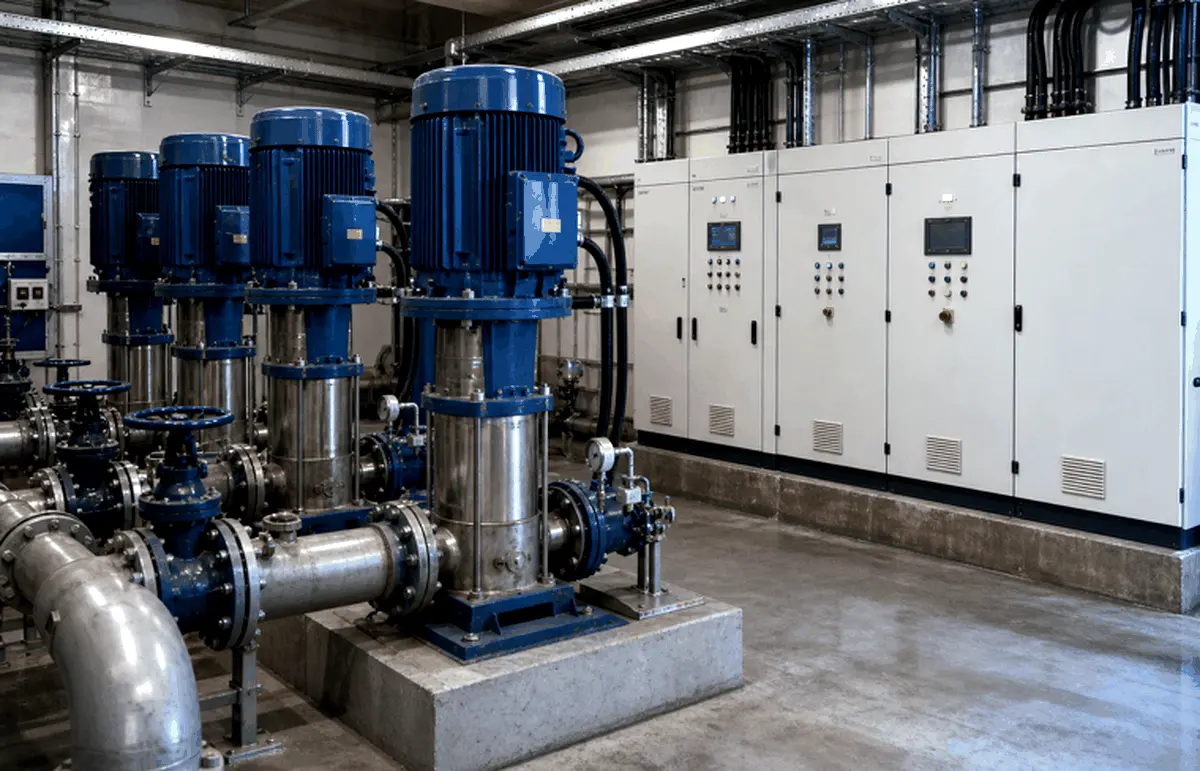
A remote O&M platform should connect to existing PLC/SCADA systems through secure protocol access, collect a disciplined point list, and turn alarms, trends and diagnostics into maintainable workflows.
Key Questions
- Which controllers and protocols already exist on site?
- Which points are needed for maintenance decisions instead of dashboard noise?
- How are remote permissions, logs and cybersecurity handled?
Implementation Path
- 1Map PLC, SCADA and gateway interfaces before platform selection.
- 2Define alarm rules, trend reports and remote diagnostic views.
- 3Document permissions and support workflow for long-term operation.
Related Systems and Entities
Start from the existing PLC and protocol
The first question is which controllers and protocols are already on site. A platform should adapt to mainstream PLCs and communication protocols rather than forcing a rip-and-replace.
Acquire the right data, not all data
Define the point list that actually supports operation and maintenance — running state, key parameters, alarms — so the platform stays meaningful instead of drowning in noise.
Alarms, reports and remote diagnostics
Alarm reporting and trend reports turn raw data into action; remote diagnostics let many issues be located without a site visit, which is where remote O&M pays back.
Security and maintainability
Remote access should be designed with secure data transmission and clear permissions, and the integration should be documented so it remains maintainable over time.
FAQ
Does remote O&M require replacing our PLCs?
Usually not. The platform connects to mainstream PLCs and protocols already on site; replacement is only considered when hardware is obsolete.
Industrial Software, Remote O&M & Legacy Upgrade
Remote service, SCADA access, smart factory visualization, energy management and practical upgrades for aging control systems.